
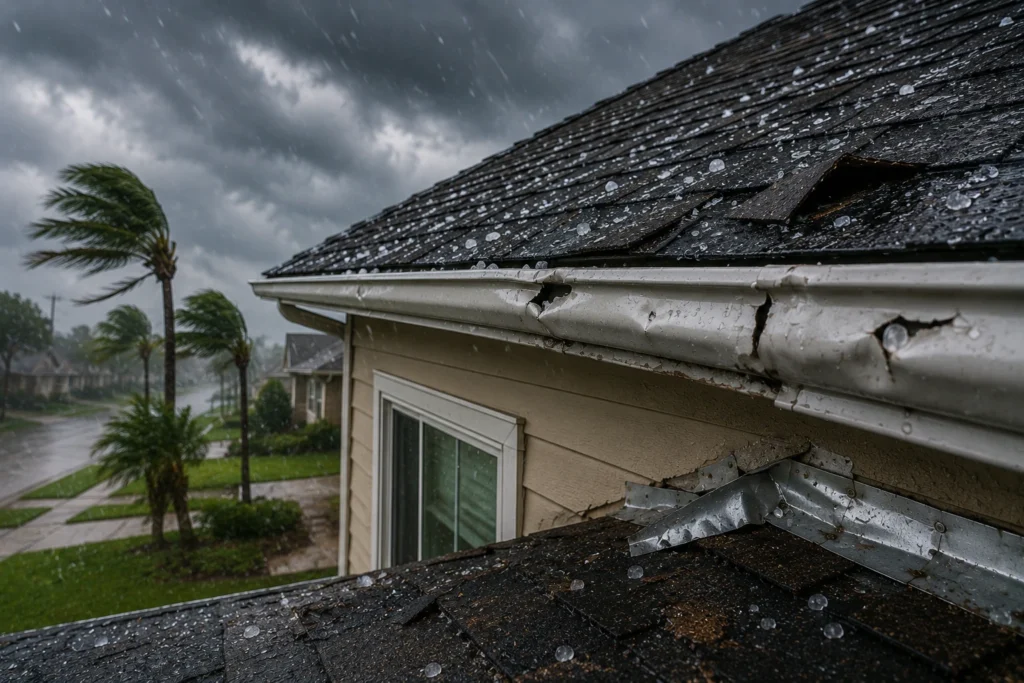
A hailstorm can last only a few minutes. The insurance claim that follows can drag on for months. For many homeowners, few things are more frustrating than discovering roof damage after a storm, filing a claim, and then receiving a denial letter from the insurance company. If you’re searching for What to Do If Your Hail Claim Was Denied in League City, TX, you’re not alone. Every year, homeowners across League City face denied hail claims despite visible damage, contractor findings, and documented storm activity.
The good news? A denial is not always the final answer. I’ve seen many situations where claims that were initially denied were later approved after additional inspections, stronger documentation, or professional representation. Insurance companies make decisions based on the information available at the time. If critical evidence was missed, overlooked, or never presented, the outcome can sometimes change dramatically. Before assuming you’re responsible for paying for all repairs out of pocket, it’s important to understand your options. Let’s walk through exactly what to do next.
Understanding Why Hail Claims Get Denied
The first step is understanding why the denial occurred. Insurance companies do not deny claims for a single reason. Several factors may influence their decision.
Common Reasons Insurance Companies Deny Hail Claims
Some of the most common reasons include:
- Insufficient evidence of hail damage
- Damage attributed to wear and tear
- Lack of storm-related causation
- Policy exclusions
- Missed reporting deadlines
- Prior unrepaired damage
- Aging roofing materials
At first glance, these explanations may seem straightforward. However, the reality is often more complicated. For example, a carrier may conclude that roof damage resulted from age-related deterioration while a roofing specialist determines the same damage was caused by hail impacts. Different inspectors can reach very different conclusions. That’s why understanding the exact reason for denial matters.
Denied Claim vs. Underpaid Claim
Many homeowners confuse a denial with an underpaid claim. There is an important difference.
| Denied Claim | Underpaid Claim |
| Coverage rejected entirely | Partial payment issued |
| Carrier disputes damage | Carrier accepts some damage |
| Requires challenge or appeal | Often requires supplementation |
| No settlement paid | Settlement may be insufficient |
Understanding where your claim falls helps determine your next step.
Why Hail Damage Is Frequently Disputed
Unlike a broken window or a collapsed roof, hail damage isn’t always obvious. Some forms of damage are subtle. Others occur beneath the surface. A roofing contractor may identify fractured matting, granule displacement, or compromised shingles that are not visible from the ground. Insurance adjusters and contractors may disagree on whether those conditions affect the roof’s functionality. These disagreements often become the foundation of denied claims.
Review the Denial Letter Carefully
Most homeowners glance at the denial letter once and immediately become frustrated. That’s understandable. However, the denial letter may contain valuable information that helps you build a stronger challenge.
Look Beyond the Conclusion
Instead of focusing solely on the word “denied,” look for:
- Inspection findings
- Policy provisions cited
- Exclusions referenced
- Dates of inspections
- Specific reasons for denial
Pay attention to details. A vague explanation may reveal weaknesses in the insurer’s investigation.
Questions to Ask While Reading
Consider the following:
- Did the inspector access the roof?
- Were all elevations inspected?
- Were supporting photographs included?
- Is the explanation specific or generic?
- Does the report address all damaged areas?
The more you understand the denial, the better prepared you’ll be to respond.
Red Flags Homeowners Should Watch For
Certain issues deserve closer attention.
Examples include:
- Generic denial language
- Missing inspection photographs
- Limited inspection descriptions
- Failure to address contractor findings
- Conclusions without supporting evidence
When these red flags appear, obtaining an independent review becomes even more important.
Document the Damage Again
One of the biggest mistakes homeowners make is assuming the original inspection captured everything. Sometimes it didn’t. If your hail claim was denied, begin gathering fresh documentation immediately.
Take Comprehensive Photographs
Document every potentially affected area.
Photograph:
- Roof surfaces
- Gutters
- Downspouts
- Soft metals
- HVAC units
- Window screens
- Siding
- Fencing
- Exterior fixtures
Take wide shots. Then take close-up photographs. Both perspectives provide value.
Record Video Evidence
Videos can help establish context. A slow walk-around of the property often captures details still photographs miss. Narrate observations when appropriate. Point out visible impacts, dents, cracked materials, and damaged areas.
Create a Claim Documentation Folder
Organization matters. Create a digital file containing:
| Documentation Type | Purpose |
| Photos | Show visible damage |
| Videos | Provide context |
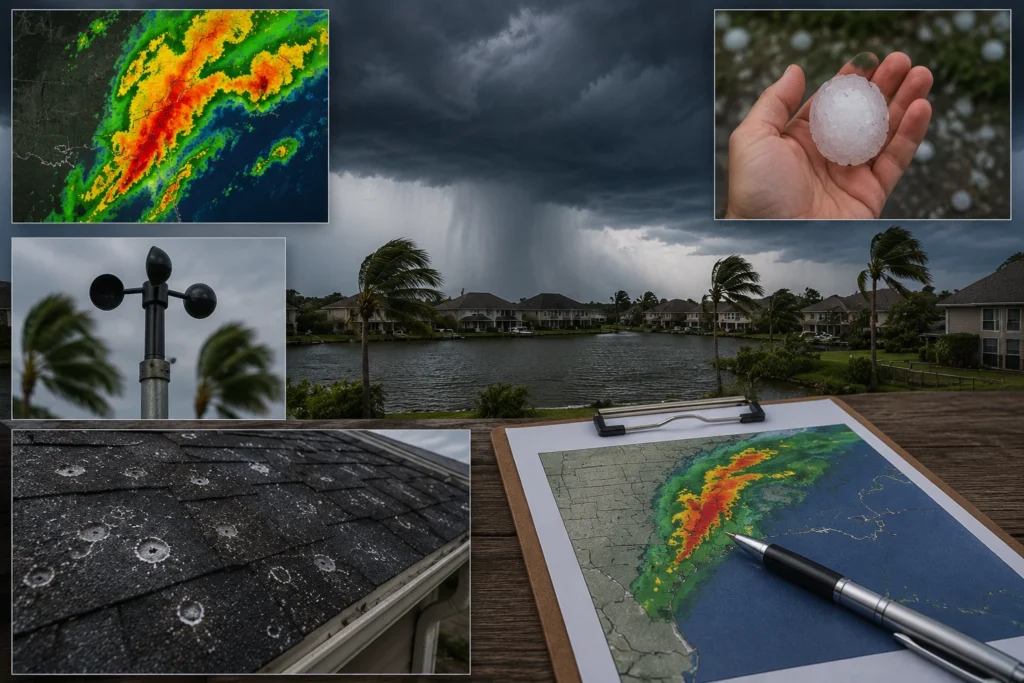
| Weather reports | Verify storm activity |
| Contractor reports | Identify damage |
| Repair estimates | Establish costs |
| Correspondence | Track communications |
The stronger your evidence package becomes, the harder it is to dismiss legitimate damage. Many homeowners search for How to Document Hail Damage for an Insurance Claim after receiving a denial because documentation often becomes the deciding factor in a dispute. The more detailed your photographs, videos, inspection reports, weather records, and repair estimates are, the stronger your position becomes when requesting a reinspection or challenging the insurance company’s original findings.
Obtain an Independent Roof Inspection
This may be the most important step in the entire process. A professional second opinion can dramatically change the direction of a claim.
Why Independent Inspections Matter
Insurance adjusters work for insurance companies. Roofing contractors work in roofing. Public adjusters work for policyholders. Each professional approaches the property from a different perspective. When significant damage exists, multiple inspections often uncover details that earlier evaluations missed.
What a Thorough Inspection Should Include
A quality inspection typically evaluates:
- Shingle condition
- Hail impact locations
- Soft metal damage
- Roof ventilation
- Flashing damage
- Ridge cap damage
- Gutters and downspouts
- Functional roof performance
The goal is not simply identifying dents. The goal is determining whether the storm compromised the roof’s ability to perform.
Warning Signs of an Incomplete Inspection
Not all inspections are equal.
Be cautious if:
- The inspection lasted only a few minutes
- The roof was never accessed
- Few photographs were taken
- Large portions of the roof were ignored
- Supporting documentation is limited
A rushed inspection can lead to a rushed conclusion. And rushed conclusions often contribute to denied claims.
Gather Weather Evidence for the Date of Loss
Storm data can be powerful. Insurance companies often rely on weather information when evaluating claims. You should too.
Why Weather Evidence Matters
Weather records help establish:
- Hail occurrence
- Storm timing
- Hail size
- Wind speeds
- Storm path location
This information strengthens the connection between the storm and the property damage.
Useful Weather Information
| Weather Data | Why It Helps |
| Hail size | Demonstrates damage potential |
| Wind speed | Supports storm severity |
| Storm track | Connects event to property |
| Date and time | Confirms occurrence |
| Radar reports | Validates conditions |
When combined with photographs and inspections, weather data becomes a powerful supporting tool.
League City Weather Considerations
League City homeowners are no strangers to severe weather.
The Gulf Coast experiences:
- Strong thunderstorms
- Wind-driven hail
- Tropical weather systems
- Seasonal storm activity
Because storms occur frequently, identifying the specific event responsible for damage becomes especially important.
Request a Reinspection
Once you’ve gathered stronger evidence, it may be time to request another inspection. Many homeowners skip this step. That can be a mistake.
When a Reinspection Makes Sense
Consider requesting a reinspection if:
- New damage was discovered
- Additional photographs exist
- Contractor findings differ from the carrier’s conclusions
- New weather evidence supports the claim
- Original inspections appear incomplete
New evidence can justify another review.
What to Include in the Request
Provide:
- Inspection reports
- Photographs
- Weather documentation
- Contractor assessments
- Repair estimates
The goal is simple. Show the insurer why the original decision deserves another look.
Prepare Before the Inspection
Be organized. Have documents ready. Know where damage exists. Be prepared to explain your concerns calmly and professionally. A well-prepared homeowner often creates a more productive inspection experience.
Understanding the Insurance Appeals Process
Many policyholders do not realize they can challenge claim decisions. Appeals exist for a reason.
The Typical Appeals Process
While procedures vary, most appeals involve:
- Reviewing the denial letter
- Gathering supporting evidence
- Submitting a written dispute
- Requesting additional review
- Participating in a reinspection
- Awaiting carrier reconsideration
Patience is important. So is persistence.
Common Appeal Mistakes
Avoid these errors:
- Waiting too long
- Submitting incomplete evidence
- Ignoring deadlines
- Sending emotional responses
- Failing to document communications
Facts carry more weight than frustration. The stronger your evidence, the stronger your position. The claims process can sometimes feel like navigating a complex system with multiple moving parts. In some cases, the interactions between inspections, policy language, weather data, and claim documentation resemble a form of cybernetics, where each piece of information influences the final outcome. Understanding how these interconnected factors affect a claim can help homeowners make more informed decisions throughout the dispute process.
How Public Adjusters Help Denied Hail Claims
At some point, many homeowners decide they need professional help. That’s where public adjusters often become involved. Unlike insurance company adjusters, public adjusters represent policyholders. Their responsibility is protecting your interests.
What a Public Adjuster Does
A public adjuster may:
- Review your policy
- Evaluate damage
- Analyze denial reasons
- Gather supporting evidence
- Prepare claim documentation
- Negotiate with the insurance company
Their goal is helping ensure all covered damage is properly evaluated.
Why Public Adjusters Frequently Identify Overlooked Damage
Experience matters. Professionals who handle property claims daily often recognize issues that others miss.
This may include:
- Functional roof damage
- Hidden impacts
- Collateral damage
- Interior water intrusion
- Additional covered losses
Many successful claim reversals begin with a fresh professional evaluation.
When You Should Consider Professional Help
You may want assistance if:
- Your claim was denied
- Large repair costs are involved
- Multiple inspections disagree
- The process becomes overwhelming
- Significant evidence supports your position
Sometimes professional representation creates clarity where confusion previously existed.
League City-Specific Hail Claim Challenges
Homeowners in League City face unique circumstances when pursuing storm-related insurance claims. Location matters. The Gulf Coast weather environment creates challenges that can complicate hail claim investigations and claim denials.
Frequent Severe Weather Events
League City regularly experiences:
- Severe thunderstorms
- High winds
- Tropical weather systems
- Heavy rainfall
- Seasonal hail events
Because multiple storms can impact a property over time, insurance companies sometimes argue that damage occurred before the reported date of loss. This is known as a causation dispute. In simple terms, the insurer may agree damage exists but disagree about when or how it happened.
Aging Roof Arguments
Another common issue involves roof age. Many denial letters state that observed conditions resulted from:
- Normal aging
- Weathering
- Deterioration
- Maintenance issues
While roofs naturally age, that does not automatically eliminate storm damage. A roof can have both age-related wear and hail impacts simultaneously. The key is properly identifying which damage is storm-related and which conditions developed over time.
Wind and Hail Often Occur Together
In League City, hailstorms frequently arrive with strong winds. That combination can create multiple forms of damage.
| Type of Damage | Potential Cause |
| Dented gutters | Hail |
| Bruised shingles | Hail |
| Lifted shingles | Wind |
| Damaged flashing | Wind or hail |
| Interior leaks | Storm-related roof damage |
When adjusters focus on only one aspect of the damage, portions of the claim may be overlooked. Comprehensive inspections help prevent this problem.
Understanding Policy Language That May Affect Your Claim
Many denied claims come down to policy interpretation. The language inside your insurance policy matters. A lot.
Actual Cash Value vs. Replacement Cost
| Actual Cash Value (ACV) | Replacement Cost Value (RCV) |
| Depreciation deducted | Full replacement basis |
| Lower initial payout | Higher overall recovery |
| Based on age and condition | Based on replacement cost |
Understanding which valuation method applies to your policy can affect expectations and settlement discussions.
Cosmetic Damage Exclusions
Some policies limit or exclude certain cosmetic damage.
This issue often arises with:
- Metal roofing
- Gutters
- Vent covers
- Flashing
Insurance companies may argue that dents do not affect performance. Policyholders may disagree.
Reviewing policy language carefully is essential before accepting a denial based on cosmetic damage arguments.
Roof Age Restrictions
Some insurers apply special provisions to older roofing systems. These provisions may impact coverage eligibility, settlement calculations, and replacement requirements.
Matching Issues
Repairs are not always simple. Replacing a handful of damaged shingles may create visible inconsistencies across the roof. Questions often arise regarding color matching, material availability, repair feasibility, and uniform appearance.
Can You Reopen a Previously Denied Hail Claim?
Many homeowners assume a denied claim is permanently closed. That is not always true. In certain situations, previously denied claims may be reconsidered.
Circumstances That May Justify Reopening a Claim
Examples include:
- New inspection findings
- Additional damage discovered
- New weather evidence
- Contractor reports unavailable during the original review
- Documentation errors
Fresh evidence can sometimes change the outcome.
Why Timing Matters
The longer homeowners wait, the more difficult claim investigations can become. Evidence may disappear. Repairs may occur. Weather conditions may change. Acting quickly preserves valuable information.
What If the Insurance Company Refuses to Reverse the Denial?
Sometimes homeowners submit additional evidence and still receive an unfavorable decision. At that point, several options may remain available, including appraisal, mediation, regulatory complaints, and legal remedies when appropriate.
Final Thoughts on What to Do If Your Hail Claim Was Denied in League City, TX
Receiving a denial letter can feel like a dead end. It isn’t. For many homeowners searching for What to Do If Your Hail Claim Was Denied in League City, TX, the most important takeaway is simple: a denied claim is often the beginning of a process, not the end. Insurance companies rely on inspections, documentation, and available evidence when making decisions. If key information was missed, overlooked, or unavailable during the original review, there may still be opportunities to challenge the outcome.
The strongest responses typically involve:
- Thorough documentation
- Independent inspections
- Weather verification
- Organized communication
- Professional guidance when necessary
Most importantly, act quickly. The sooner you investigate the denial, the more options you generally have available. When it comes to What to Do If Your Hail Claim Was Denied in League City, TX, homeowners who stay organized, gather evidence, and remain persistent often place themselves in the best position to pursue a fair outcome.
FAQs
Yes. A denied hail claim may be reconsidered if new evidence, inspections, or weather documentation supports your position.
Common reasons include insufficient evidence, wear-and-tear findings, policy exclusions, or disputes about what caused the damage.
Yes. An independent inspection may uncover damage that was missed or overlooked during the original evaluation.
The timeframe depends on your insurance policy and state-specific requirements, so review your policy promptly after receiving the denial.
Yes. Storm data, hail reports, and radar records can help establish that damaging weather occurred at your property.
A limited inspection may miss important damage. Consider obtaining an independent inspection and requesting a reinspection.
It can be. Public adjusters represent policyholders and may help gather evidence, evaluate damages, and negotiate with the insurer.
Yes. An older roof can still sustain covered hail damage, although the insurer may examine age-related deterioration separately.
Save photographs, videos, inspection reports, weather records, repair estimates, and all communications related to the claim.
Carefully review the denial letter, identify the reason for denial, and begin gathering additional evidence to support your claim.